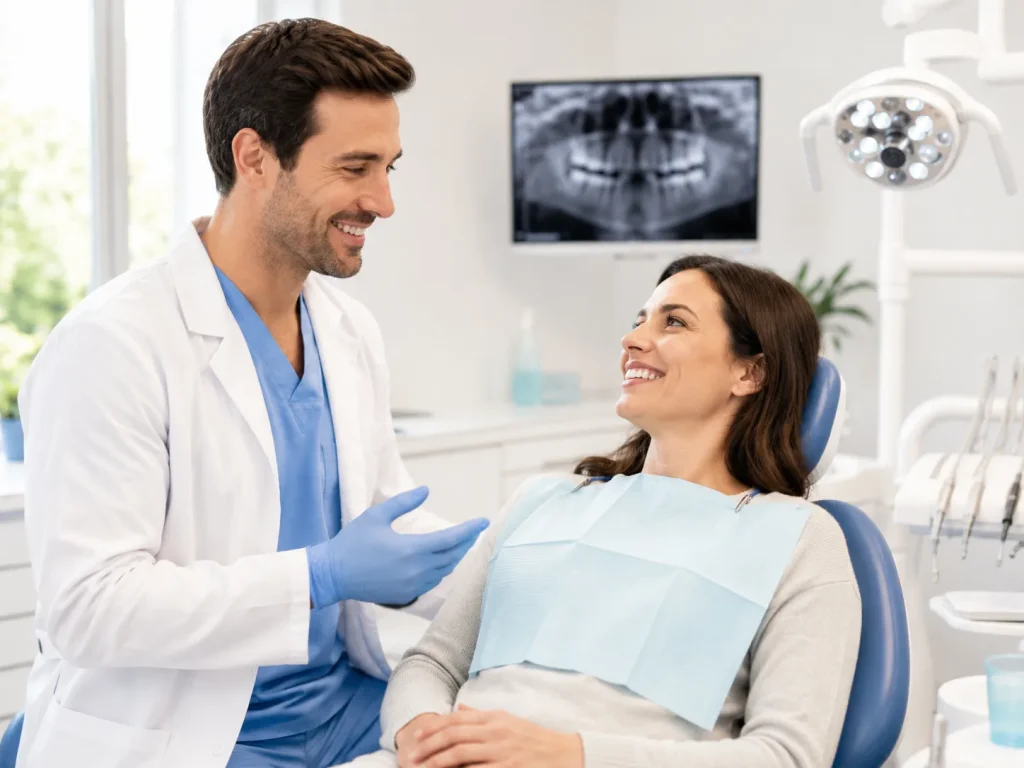
Bleeding gums are easy to dismiss. Many people assume they brushed too hard or that a little pink in the sink is normal. Although occasional irritation can happen, repeated bleeding, swelling, tenderness, or persistent bad breath deserves attention.
Gum disease can develop quietly, and discomfort does not always reflect how much the condition has progressed. A person may feel fine while inflammation affects the tissues supporting the teeth. That is why an evaluation can be valuable even when symptoms seem minor.
If someone is searching for a periodontal disease dentist in St. Petersburg, FL, understanding the signs, examination process, and available treatment options can make the next step feel much less intimidating.
What Is Periodontal Disease?
Periodontal disease, commonly called gum disease, involves inflammation or infection of the tissues surrounding the teeth. Those tissues include the gums, periodontal ligaments, and bone that help hold each tooth in place.
The earliest form is often called gingivitis. At this stage, the gums may look red or swollen and may bleed during brushing or flossing. When addressed early, gum inflammation may improve with professional care and consistent oral hygiene.
More advanced gum disease is known as periodontitis. It can create deeper spaces between the teeth and gums, commonly called periodontal pockets. Bacteria and hardened deposits can collect in these spaces, making them difficult to clean with a toothbrush or floss alone. Over time, the supporting tissues around the teeth may be damaged.
A professional examination is necessary to determine whether gum changes represent temporary irritation, gingivitis, periodontitis, or another oral health concern.
Signs It May Be Time to Schedule a Gum Evaluation
Gum disease does not look or feel the same for every patient. Some people notice obvious changes, while others learn about the condition during a routine dental examination.
Possible warning signs include:
- Gums that bleed repeatedly while brushing or flossing
- Red, puffy, or tender gum tissue
- Persistent bad breath or an unpleasant taste
- Gums that appear to be pulling away from the teeth
- Teeth that look longer than they once did
- Sensitivity near an exposed tooth root
- Pus or drainage around the gumline
- New spaces between teeth
- Changes in the way the teeth fit together
- Teeth that feel loose or shift position
These symptoms do not automatically mean that a person has advanced periodontal disease. They do, however, provide a good reason to contact a dental professional. Prompt evaluation can identify the cause and help prevent a manageable concern from becoming more complicated.
Why Gum Disease Can Be Easy to Miss
Many dental problems are associated with pain, but gum disease may progress without a toothache. A patient may see occasional bleeding yet otherwise feel comfortable. Because the changes can happen gradually, recession, puffiness, or shifting teeth may also be difficult to notice from day to day.
Regular examinations are important for this reason. Dental professionals can look for inflammation, measure the spaces around the teeth, and compare current findings with previous visits. These details provide a clearer picture than symptoms alone.
Patients should also share relevant health information during the appointment. Tobacco use, medications, dry mouth, family history, pregnancy, and certain health conditions may influence gum health or treatment planning. Open communication helps the clinician create an approach appropriate for the individual rather than relying on a one-size-fits-all plan.
What Happens During a Periodontal Evaluation?
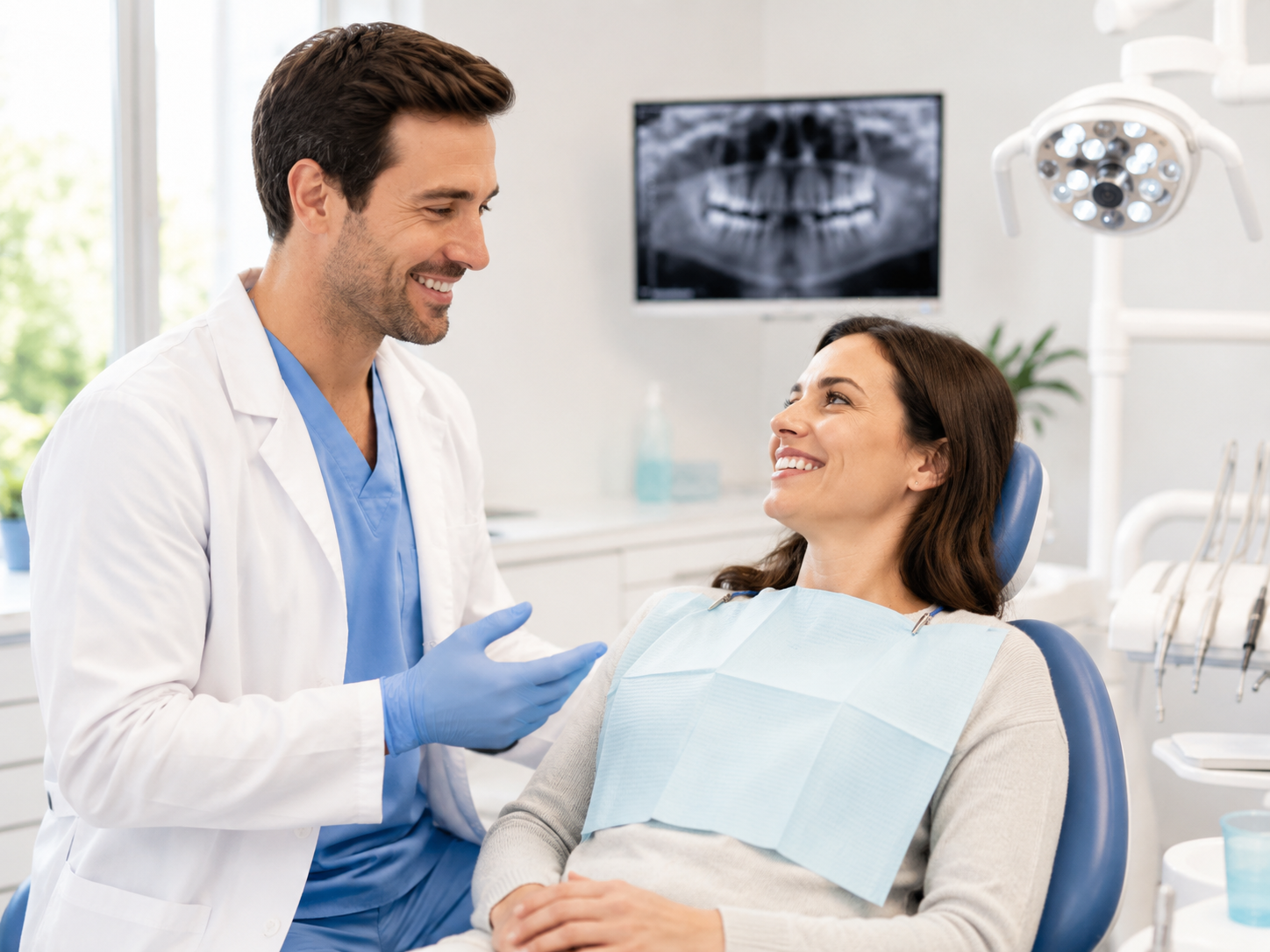
A periodontal evaluation is generally straightforward. The dental team begins by discussing the patient’s concerns, dental history, home-care routine, medications, and overall health.
The clinical portion may include:
- Examining the color, shape, and condition of the gums
- Checking for plaque, tartar, bleeding, recession, or drainage
- Measuring the spaces between the teeth and gums
- Evaluating whether any teeth are loose or have shifted
- Reviewing the patient’s bite
- Taking or reviewing dental images when clinically appropriate
These findings help the clinician determine the extent and location of the problem. They also guide conversations about whether routine preventive care, nonsurgical periodontal therapy, maintenance, or a more advanced procedure may be appropriate.
Patients should feel comfortable asking what the measurements mean, which areas need attention, and why a particular recommendation is being made. A clear explanation is an essential part of informed treatment planning.
Common Approaches to Periodontal Treatment
Treatment depends on the type and severity of disease, the condition of the supporting tissues, the patient’s health, and how the area responds to initial care. Not everyone needs the same procedure.
Professional Cleaning and Improved Home Care
When inflammation is limited to the gumline, professional cleaning and better daily plaque control may be recommended. The dental team can demonstrate brushing and interdental cleaning techniques, including ways to reach crowded areas or spaces around dental work.
The goal is not aggressive scrubbing. Gentle, thorough, and consistent cleaning is usually more helpful than applying excessive pressure to sensitive gums.
Deep Cleaning
When deposits have collected below the gumline, a clinician may recommend a deep cleaning, also known as scaling and root planing. This nonsurgical approach removes bacterial deposits from areas that cannot be reached through ordinary home care.
Local anesthetic or other comfort measures may be available. Treatment may be divided into visits depending on the extent of care needed. A follow-up evaluation allows the clinician to assess tissue response and decide what should happen next.
Laser Gum Therapy
Laser-assisted treatment may be considered for selected patients. Crawford Implant Dentistry & Laser Periodontics provides LANAP and LAPIP laser therapy as part of its periodontal services. LANAP is associated with care around natural teeth, while LAPIP is used in certain situations involving dental implants.
Laser therapy is not automatically the right choice for every case. Candidacy depends on the clinical findings, and patients should ask about alternatives, expected comfort, aftercare, costs, and the goals of the proposed procedure.
Procedures for Recession or Lost Support
Advanced periodontal problems may require additional care. Depending on the patient’s needs, recommendations could include gum grafting, bone grafting, crown lengthening, or another periodontal procedure. The purpose may be to cover or protect exposed roots, improve access for cleaning, or address damaged supporting tissue.
The practice’s overview of periodontal services in St. Petersburg includes deep cleanings, gum disease treatment, laser gum therapy, gum recession treatment, gum grafts, and bone grafts. A clinical examination is required to determine which option, if any, is suitable.
Comfort and Dental Anxiety Matter
Fear of discomfort can keep someone from scheduling care, especially after a difficult dental experience. A supportive periodontal office should take those concerns seriously.
Patients can ask the team to explain each step before beginning, agree on a signal for breaks, and discuss numbing or sedation options when appropriate. Letting the office know about anxiety while scheduling also gives the team time to plan a calmer visit.
Modern periodontal care focuses not only on treating the gums but also on helping the patient feel informed and in control. No one should feel embarrassed about bleeding gums, missed appointments, or difficulty maintaining a home-care routine. The purpose of the visit is to find a practical way forward.
Maintaining Gum Health After Treatment
Periodontal treatment is not simply a procedure followed by a return to old habits. Ongoing maintenance helps the dental team monitor the gums and clean areas that remain difficult to reach at home.
A personalized maintenance plan may include professional visits at intervals chosen for the patient’s condition. At home, the patient may be advised to:
- Brush gently and thoroughly with a soft-bristled toothbrush
- Clean between the teeth every day using the recommended tool
- Follow instructions for caring for bridges, implants, or other restorations
- Avoid tobacco products
- Report renewed bleeding, swelling, or tooth movement
- Keep both periodontal and general dental appointments
Good home care supports professional treatment, but it does not replace it. Hardened deposits below the gumline require professional attention.
How to Choose a Periodontal Disease Dentist in St. Petersburg
Patients should look for an office that provides a thorough evaluation and explains recommendations in everyday language. Useful questions include:
- What did the examination show?
- How advanced is the problem?
- What are the available treatment options?
- Are there nonsurgical and surgical alternatives?
- How will comfort be managed?
- What home care and follow-up will be needed?
- What fees and insurance considerations should be discussed?
It is reasonable to take notes or bring a trusted person to a consultation. Patients should understand the purpose, benefits, limitations, and alternatives of a proposed plan before deciding how to proceed.
Frequently Asked Questions
Can bleeding gums be normal?
Brief irritation can occur, particularly after a change in brushing or flossing habits. Repeated or unexplained bleeding should not be ignored. A dental professional can check for inflammation, buildup below the gumline, and other possible causes.
Does gum disease always hurt?
No. Gum disease may be present without significant pain, particularly during its earlier stages. Bleeding, swelling, recession, persistent bad breath, or changes in tooth position can be important even when the mouth feels comfortable.
Can brushing harder remove gum disease?
Brushing harder is not the answer and may irritate the gums or contribute to wear. Careful brushing and cleaning between the teeth can reduce plaque at home, but a professional must remove hardened deposits and evaluate deeper periodontal pockets.
Will everyone with gum disease need surgery?
No. The appropriate approach depends on the examination findings. Some patients may begin with professional cleaning, deep cleaning, and improved home care. Others may need laser-assisted therapy or a surgical procedure. The clinician should explain why a specific option is being recommended.
Can gum disease affect dental implants?
Inflammation and infection can occur in the tissues around an implant as well as around natural teeth. Bleeding, swelling, tenderness, drainage, or changes around an implant should be evaluated rather than monitored at home indefinitely.
How quickly should someone schedule an appointment?
Persistent bleeding, swelling, recession, bad breath, or discomfort warrants a dental appointment. A loose tooth, drainage, or rapidly worsening symptoms should prompt a more immediate call so the dental team can determine how urgently the person needs to be seen.
Take the Next Step Toward Healthier Gums
Gum problems are common, and seeking help is not a reason for embarrassment. An evaluation can clarify what is happening and provide a plan based on the patient’s health, comfort, and priorities.
Crawford Implant Dentistry & Laser Periodontics provides gum care and implant services at 5601 1st Avenue S, St. Petersburg, FL 33703. Patients with bleeding gums, recession, persistent bad breath, or concerns about an implant can call (727) 220-2265 to ask questions or schedule a consultation.